September 18, 2026
Best Quran Learning Routine for Beginners
Open this article to continue reading more insights.

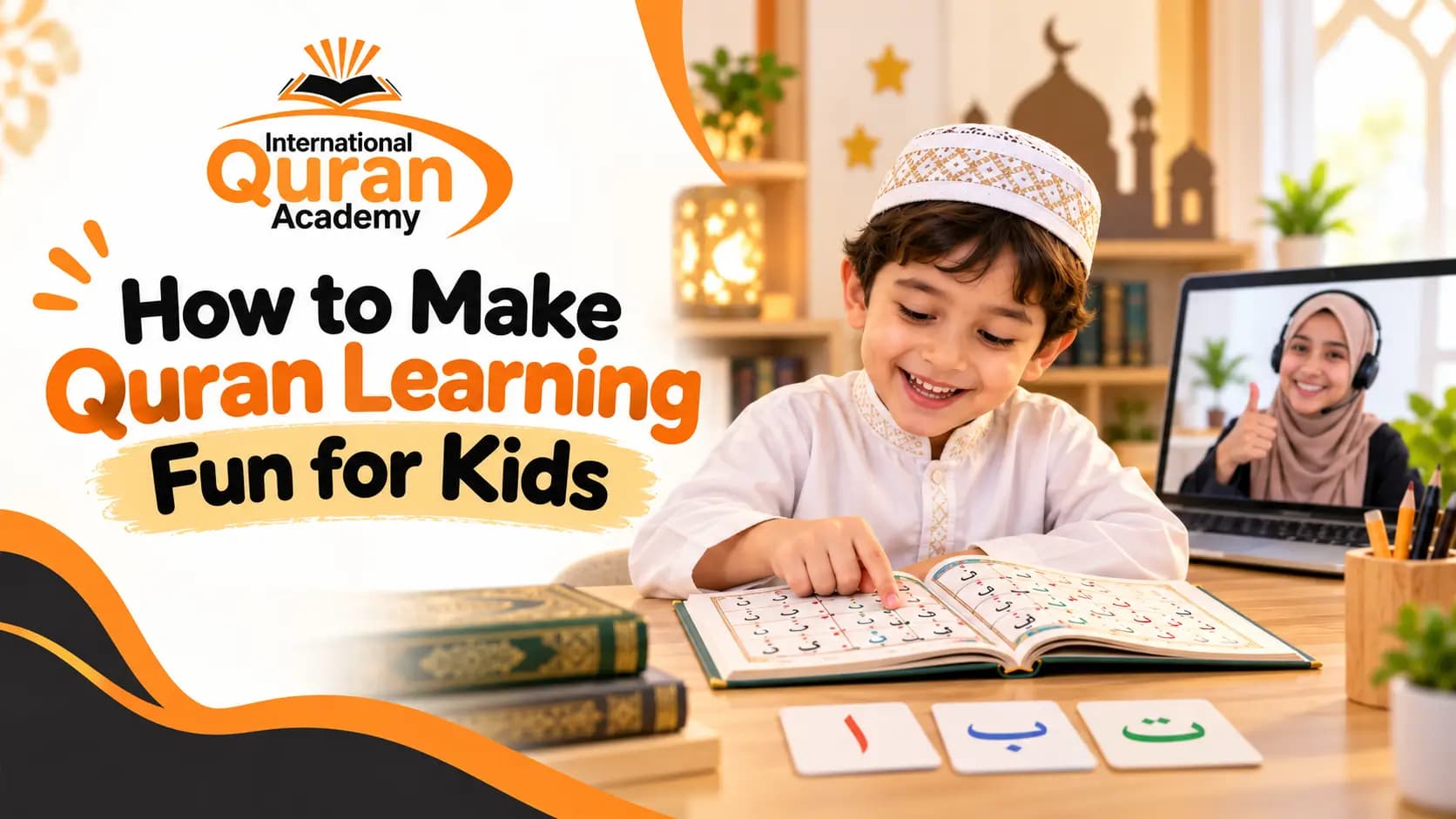
Teaching the Quran to children is one of the most meaningful responsibilities Muslim parents and teachers have. However, knowing how to teach Quran to children can sometimes feel difficult. Young children have short attention spans, learn at different speeds, and may lose interest if lessons become too long or difficult.
The good news is that Quran learning does not have to be stressful. With patience, consistency, proper guidance, and an age-appropriate teaching method, children can learn to read and love the Quran from an early age.
Here is a simple step-by-step approach parents can follow.
Before focusing on reading, Tajweed, or memorization, help your child develop a positive relationship with the Quran.
Children should not feel that Quran lessons are a punishment or another difficult school subject. Speak positively about Quran time and explain that the Quran is the Book of Allah and a source of guidance for Muslims.
Parents can also let children hear beautiful Quran recitation at home. When children regularly see their parents reading and respecting the Quran, they are more likely to develop the same habit.
The first goal should be simple: help your child love learning the Quran.
Beginners should first develop basic Arabic reading skills.
A structured Noorani Qaida Course can teach children how to recognize Arabic letters, pronounce them correctly, and gradually combine them into words.
Children normally begin by learning:
Do not rush this stage. A strong foundation makes Quran reading much easier later.
Correct pronunciation is an important part of learning Quran recitation.
Children should gradually learn Makharij, or the correct articulation points of Arabic letters. Some Arabic sounds can be difficult for English-speaking children because similar sounds may not exist in English.
Instead of criticizing mistakes, pronounce the letter slowly and ask the child to repeat it. Regular correction from a qualified Quran teacher can prevent pronunciation mistakes from becoming long-term habits.
Children who need more structured pronunciation training can later study through an Online Tajweed Course.
One of the biggest mistakes parents can make is turning Quran learning into a long and tiring session.
Young children often learn better through shorter, focused lessons.
A simple routine could include a few minutes of revision, followed by new learning and a short recitation practice. The exact lesson length should depend on the child's age, ability, and attention span.
Consistency matters more than trying to complete too much in one day.
For example, 15 minutes of focused daily practice can be more useful than a very long lesson once a week.
Repetition is essential when teaching Quran to kids.
Begin each lesson by reviewing something the child has already learned. After revision, introduce a small amount of new material.
You can use a simple pattern:
Listen → Repeat → Read → Review
For example, the teacher reads an Arabic word correctly, the child listens carefully, repeats it, reads it independently, and then reviews it again later.
This method can be especially useful when learning Arabic letters, Tajweed rules, short Surahs, and daily Duas.
Once a child can recognize and join Arabic letters correctly, they can gradually begin reading directly from the Quran.
At this stage, the goal should be accuracy before speed.
Encourage children to read slowly and clearly. Correct mistakes gently and help them recognize Tajweed signs while reading.
A structured Nazra Quran Course can help children improve Quran reading, pronunciation, fluency, and confidence step by step.
Parents should remember that every child progresses differently. Avoid comparing one child with another.
Children learn better when they participate actively.
Parents and teachers can make Quran lessons more engaging by using letter cards, colorful learning materials, audio recitation, simple quizzes, progress charts, and small rewards for effort.
You can also connect short Surahs with simple explanations of their meanings. This helps children understand that the Quran is not only something to recite but also a guide for daily life.
For broader religious learning, children can also study basic beliefs, worship, Islamic manners, and the life of Prophet Muhammad ﷺ through an Islamic Studies Course.
After children develop basic reading and recitation skills, parents may introduce Quran memorization according to the child's ability.
Start with shorter Surahs and manageable portions. A child can listen to the verses, repeat them several times, memorize a small section, and revise previous lessons regularly.
Revision is extremely important in Hifz. Memorizing new verses without reviewing previous ones can lead to forgotten lessons.
Children who are ready for structured memorization can join a Quran Memorization Course with a teacher who can create a suitable Hifz and revision plan.
A good teacher can make a major difference in a child's Quran learning journey.
The teacher should understand Tajweed and Quran recitation, but knowledge alone is not enough. A children's Quran teacher should also be patient, encouraging, friendly, and able to explain lessons in simple language.
One-to-one online Quran classes can be especially useful because the teacher can focus on the child's individual mistakes, learning speed, and progress.
At International Quran Academy, children can learn through live online classes with qualified male and female Quran teachers and flexible scheduling.
Children will make mistakes while learning, and that is a normal part of education.
Avoid shouting, embarrassing the child, or expecting perfect recitation immediately. Instead, correct mistakes calmly and praise improvement.
Even simple words such as “MashaAllah, you improved today” can motivate a child to keep learning.
Parents should focus on steady progress rather than quick results.
Learning how to teach Quran to children starts with understanding how children learn. Begin with love for the Quran, build a strong foundation through Arabic letters and Noorani Qaida, teach correct pronunciation, introduce Tajweed gradually, and maintain regular revision.
Most importantly, be patient.
The goal is not only to help children finish pages or memorize Surahs. The greater goal is to help them develop Quran reading skills and build a lifelong connection with the Book of Allah.
If you would like professional support for your child's Quran education, International Quran Academy provides one-to-one online Quran classes for children at different learning levels. Parents can begin with 3 Days Free Trial Quran Classes before choosing a regular learning plan.